
They Gave Her Eighteen Months. She's at Five Years and Counting.
The success of being a cancer slacker

On our podcast recording, Annabelle Gurwitch’s cat, Shirley, wants attention. Annabelle is happy to give it, stroking the cat through our conversation, the lovely intimacy of a writer at her desk with her familiar. We are talking about cancer. We are also, for a minute, just talking about a cat.
A few minutes later she tells me about the night her son came home from college and found her unconscious in front of the toilet.
Get the whole episode: Spotify | Apple | YouTube | Everywhere
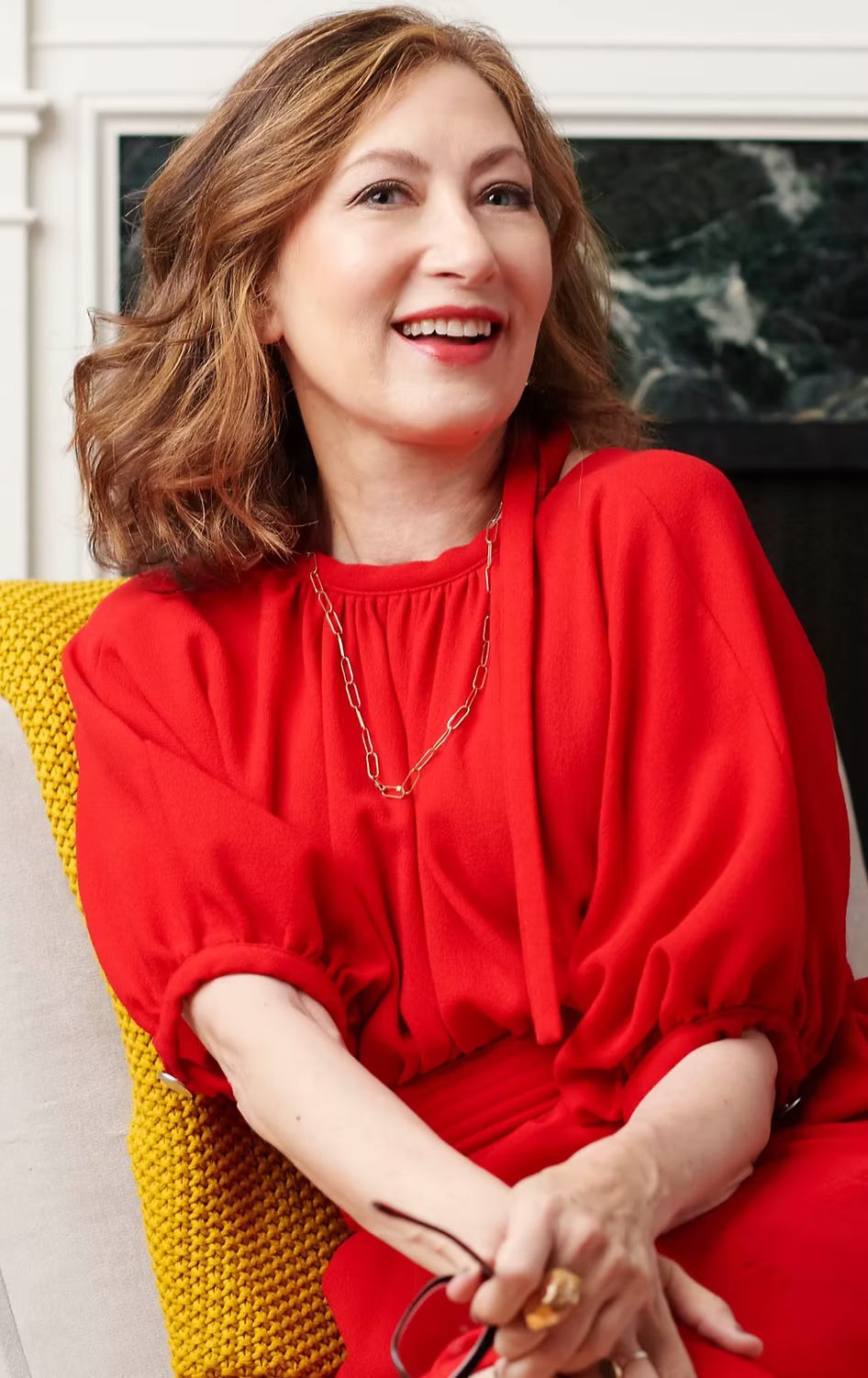
This was not at diagnosis. She had already started treatment. Annabelle had the rare luck of an oncogene-driven cancer with an actionable mutation. Annabelle was diagnosed with stage IV non-small cell lung cancer with an EGFR (Epidermal Growth Factor Receptor) mutation (specifically, Exon21) in 2020, which meant a targeted therapy existed for her at all. The unlucky part started earlier. Worldwide, more than half of women with lung cancer are never-smokers. The U.S. Preventive Services Task Force requires a smoking history to qualify for lung cancer screening, and the agency has acknowledged its current evidence does not support changing that. The math is medical sex discrimination. Most women with lung cancer cannot get screened for the disease they are most likely to develop without smoking, because the screening criteria were built around a male smoking population. Annabelle, like every never-smoker, found her cancer by accident.
She was lucky a drug existed. She was less lucky about the dose.
The version of her targeted therapy she started on was the standard. The standard was the maximum tolerable dose. For Annabelle, maximum tolerable meant days when she spent more time asleep than awake. Days she couldn’t leave the bathroom. The side effects she now knows were warning her the drug was at a dose she could not survive long-term.
She did not tell her doctor.
She felt, she told me, that she was failing as a patient by not being able to tolerate the dose. She had absorbed the warrior idea before she ever rejected it on the page. So she pushed. So she suffered. So her son found her on the floor.
Annabelle is alive because she stopped.
She talked to her oncologist. She negotiated down. She has been on half the recommended dose for five years. She has stability. She has tolerable side effects. She is still working, still writing, still being kept honest by Shirley.
This is not a fluke. A 2024 retrospective study of first-line patients receiving the most-prescribed EGFR-targeted therapy in lung cancer found that the dose-reduction group had a median progression-free survival of 26 months, compared with 12 months at the standard dose. Half the dose. More than twice the time. The headline-friendly version is that lower can be better. The actual story is that we do not yet reliably know what the right dose is because, for fifty years, cancer drugs were approved at the maximum dose patients could tolerate, on the theory that more was better. That theory is being formally retired by the FDA’s Project Optimus, launched in 2021 by the Oncology Center of Excellence, with final guidance issued in August 2024. The new standard is the optimal biological dose, not the maximum tolerable one. The shift was overdue.
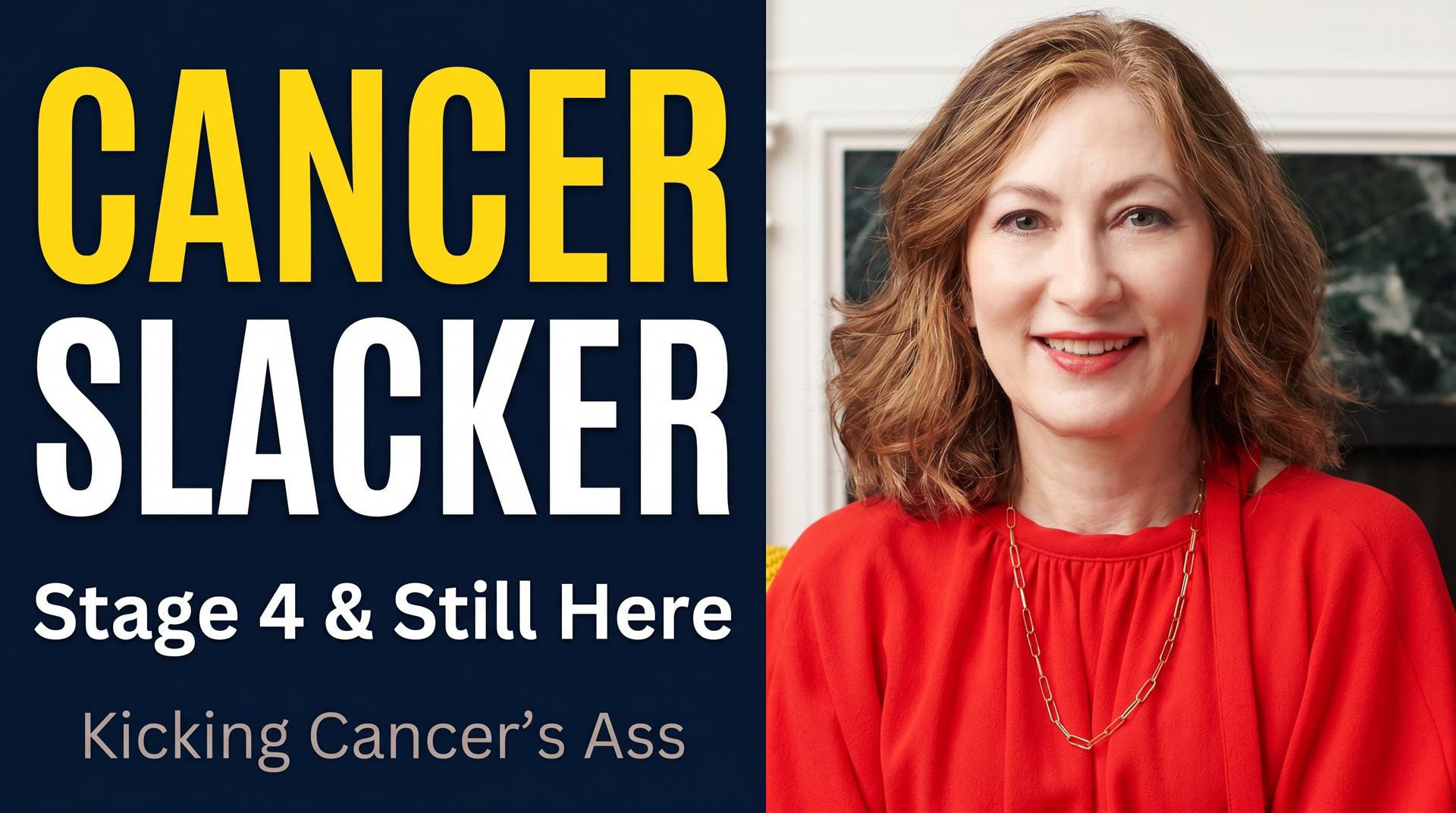
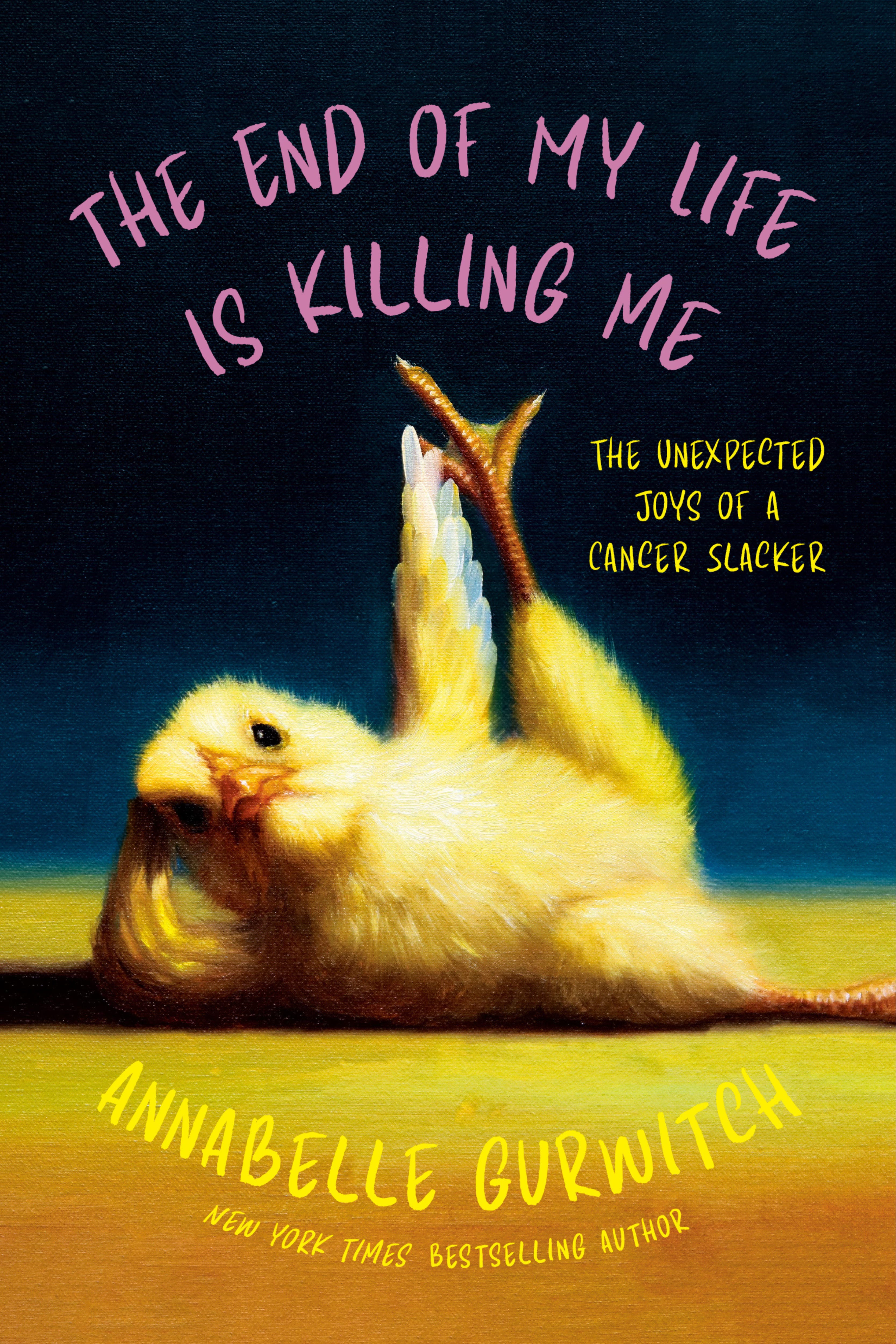
Annabelle calls herself a cancer slacker, not a cancer warrior. The phrase is funnier than it is, and more serious than it sounds. The day she walked herself back from the dose that nearly killed her was the day she gave herself permission to stop performing what a good patient looked like. The reframe runs deeper than the language. She also stopped trying to live like every day was her last, a framework she found exhausting and unworkable. Now she tries to live like it is her first day, led by curiosity. The shift sounds small. It is structural.
The shift only matters if patients tell their care teams what they are experiencing. Clinicians underreport patient toxicities. The research is settled on this. Symptomatic side effects, the ones that wreck quality of life and warn that a dose is wrong, are missed at high rates. Ethan Basch and colleagues at the University of North Carolina built the National Cancer Institute’s patient-reported outcomes version of the toxicity criteria specifically because clinician-only reporting was leaving real symptoms invisible. In phase 1 trials, patient-clinician agreement on symptomatic events has been characterized as moderate to poor.
Get the whole episode: Spotify | Apple | YouTube | Everywhere
My experience was different. Stage 2A breast cancer. I called my treatment my cancer obliteration project. My mother beat the same thing. My sister did too. I knew I was going to beat it. By the second round of chemo I had built a spreadsheet of meds, doses, side effects, time of day, what helped. The only way to stay ahead of side effects was to track them. I also knew I would still find myself filtering in person, in the small calculation patients make between not wanting to seem like a baby and not knowing if a symptom is worth a doctor’s time. The spreadsheet did the talking for me. My team spotted patterns. They cut my steroid dose to one-eighth of what I started on, because the higher dose was making me vibrate at four in the afternoon and I did not need it.
Annabelle’s answer was a dose conversation and a refusal of the warrior frame. Mine was a tool. Both are the same act. Both are a refusal to be silent in a system that has counted on our silence to call the trial done.
Lung cancer accounts for about 32% of cancer deaths in the United States and receives roughly 10% of cancer research funding. On a per-death basis, breast cancer research receives more than twenty-five times the federal funding small-cell lung cancer does. The smoker-blame story is part of why. The sex-discrimination story is part of why. Annabelle’s targeted therapy exists because researchers got funded. Most lung cancer patients do not have an actionable driver mutation and do not get her break. Most never-smoking women still do not get screened.
Annabelle named this herself at the end of our conversation. She said the most important thing you can do for your health right now might be how you vote. She meant it about research funding, environmental policy, and which patients are worth screening.
Before any of that catches up, here is what is in your control. Track what is happening in your body. Hand it to your team. Refuse the version of being brave that withholds the data they need to keep you alive.
Annabelle is still laughing at Shirley five years past her eighteen-month prognosis. The spreadsheet I built is free at joellekaufman.com. Annabelle’s book is The End of My Life Is Killing Me: The Unexpected Joys of a Cancer Slacker. Both are tools. Use them.
Get the whole episode: Spotify | Apple | YouTube | Everywhere