
For Forty Years, Breast Cancer Prevention Has Chased the Wrong Hormone
Episode #43: Sacha Howell

At the 2026 Rise Up conference in San Francisco, sponsored on our show by Paxman Scalp Cooling, I asked Dr. Sacha Howell, a medical oncologist from Manchester, a question I’ve been carrying since my own BRCA1 diagnosis: if you knew, before cancer ever showed up, that you were high-risk — what could you actually do?
For forty years, the answer has been narrow. If you are at risk for estrogren receptive cancers - tamoxifen or aromatase inhibitors. For triple-negative - Prophylactic surgery. And for women at risk of triple-negative breast cancer — the most aggressive form, and the one BRCA1 carriers are most likely to develop young — there has been no pharmacological prevention option at all. Just surgery, or active screening and hope.
Dr. Howell’s team found another possibility.
This episode of Kicking Cancer’s Ass is sponsored by Paxman Scalp Cooling. Full episode with Dr. Sacha Howell: [Spotify] | [Apple Podcasts] | [YouTube].
In November, they published a study in Nature — yes, that Nature — showing that a drug called ulipristal acetate, taken for 12 weeks by 24 premenopausal women with a family history of breast cancer, produced measurable changes in their breast tissue that look a lot like cancer prevention working at the cellular level.
The drug reduced the proliferation of luminal progenitor cells — the cells that turn into aggressive triple-negative breast cancer. It reduced breast tissue density on MRI. It restructured the collagen architecture. It made the tissue less stiff. Every one of those measurements is a known marker of reduced cancer risk.
And here’s where it gets complicated.
Ulipristal acetate is the same active ingredient in Ella, which, as Dr. Abigail Liberty explained on the show last week, has been on U.S. pharmacy shelves for twenty years as emergency contraception.
Your OB/GYN has prescribed it. European regulators paused it two years ago after five women out of nearly a million on the drug developed liver failure.
Five in a million. That’s 0.0005%.
At the same age, the rate of women dying from breast cancer is thirty times higher.
Statins and hormonal contraceptives carry higher complication rates than ulipristal acetate does. Both remain widely prescribed. Nobody is pulling them. Ella is available in the USA.
When I asked Dr. Howell why European regulators applied a stricter standard to a drug that prevents cancer than they do to the drugs millions of women take every day, he didn’t dodge: “We don’t know. We all agree it doesn’t really make sense.”
Two things you can do this week:
Listen to the full episode with Dr. Sacha Howell. If you have a family history, if you’re BRCA-positive, or if you’re one of the two-thirds of women who develop breast cancer with no family history at all, this conversation is for you.
Bring the Nature paper to your OB/GYN (DOI: 10.1038/s41586-025-09684-7). High-risk women don’t have oncologists yet — that’s the whole point. Prevention lives in your gynecologist’s office, and most gynecologists haven’t seen this study.
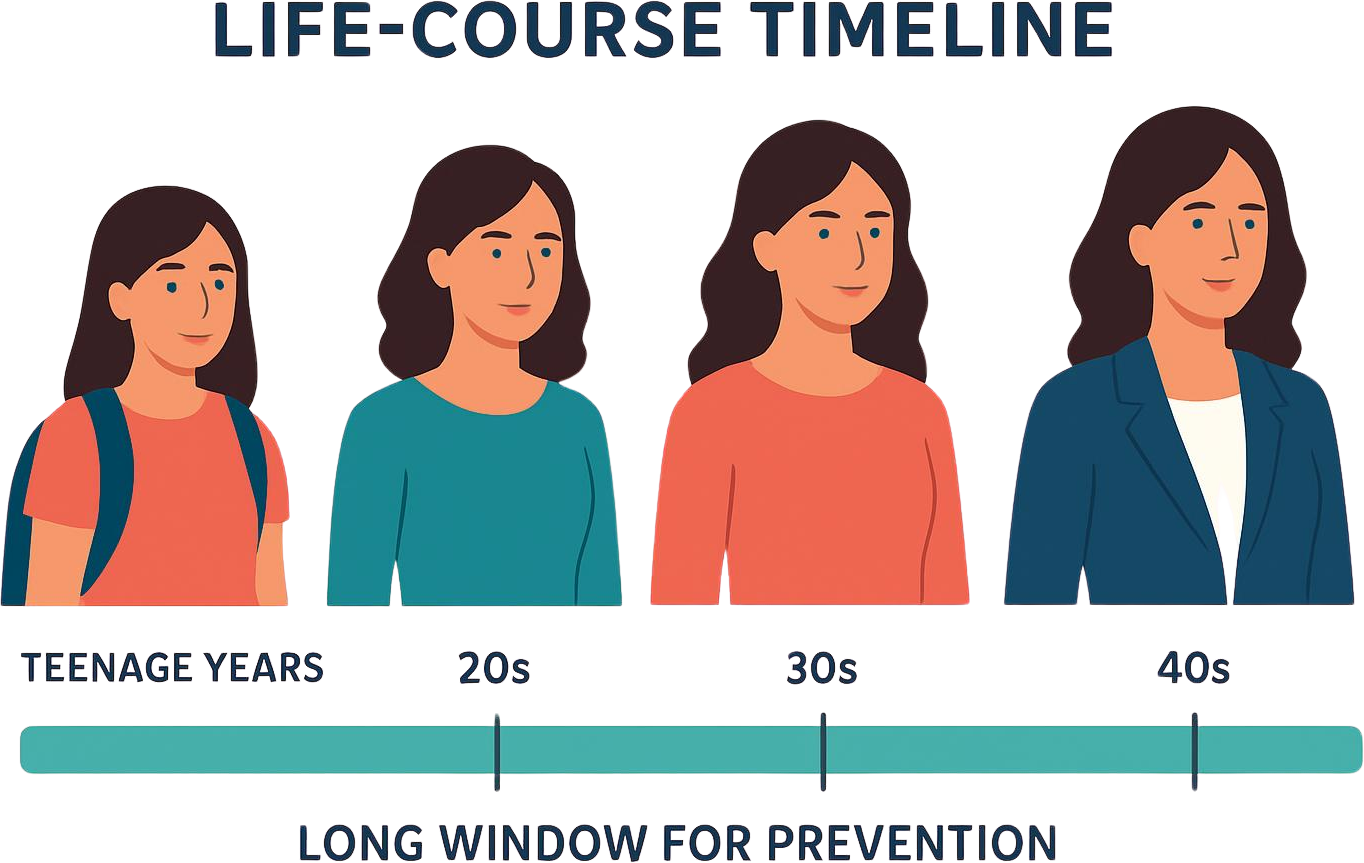
The full subscriber article goes deeper — into why progesterone, not estrogen, may be the real driver of triple-negative breast cancer risk, and why anti-progestins may be the first real pharmacological prevention option for the women who have, until now, had none.
[Upgrade to paid →]