

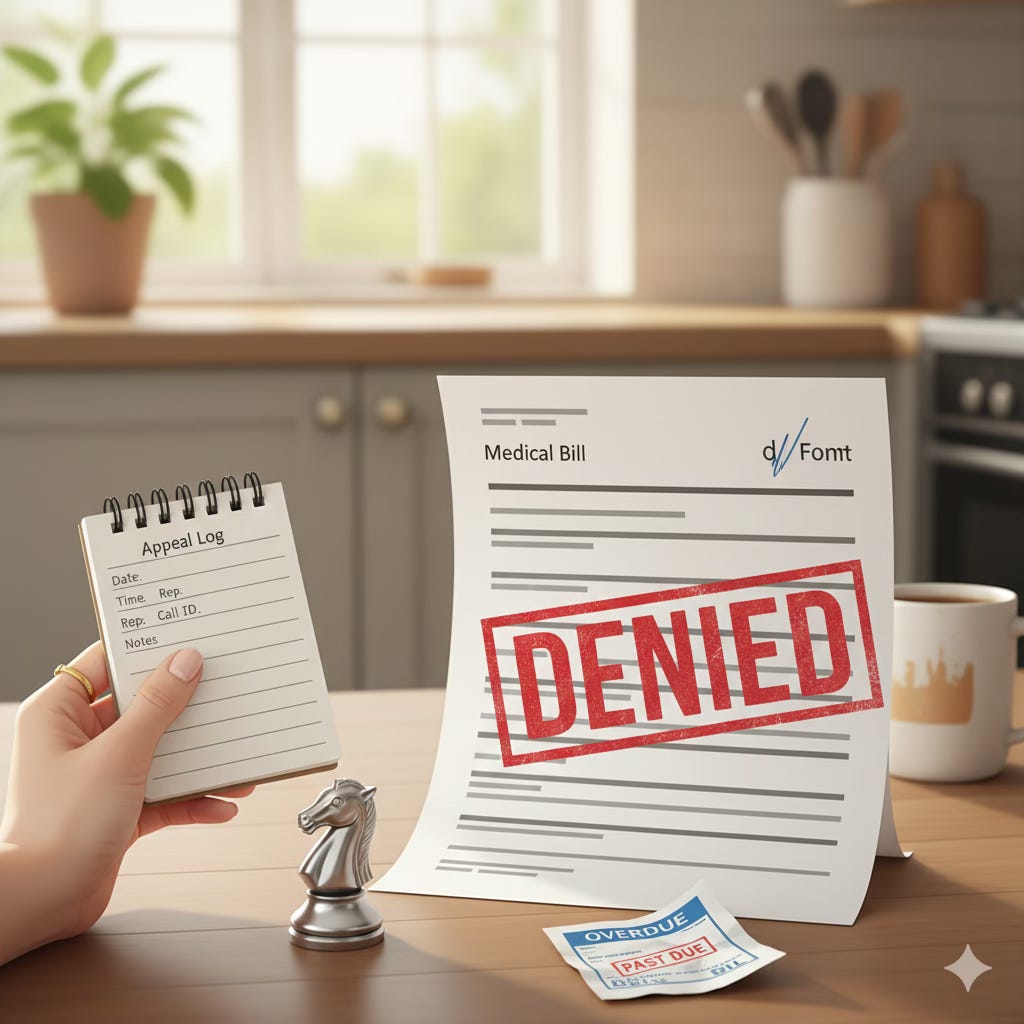
The bill shows up on a Tuesday.
You’re already exhausted from chemo. You open the envelope expecting another copay…and instead you’re staring at a five-figure balance and a giant “DENIED” stamped across the page.
Your first thought: “I can’t fight this. I don’t have the energy.”
That’s where most women fold. Not because they’re weak, but because the system quietly counts on you being too tired, too scared, too “grateful to be alive” to push back.
In this episode, women’s health advocate and former benefits attorney Rebecca Bloom calls that out for what it is—and hands you a battle plan.
She explains why denials are often garbage (“Denials are done way too quickly and way too liberally”) and why about three-quarters of appeals actually succeed. Joelle shares her own 18‑month fight to get cold-capping covered after being told it was part of her chemo benefit—right up until the claims started bouncing back with every excuse in the book: wrong codes, old plan, “we can’t tell you the codes.”
Her pivot? Treating the whole mess like a sport. Tracking call IDs. Demanding callbacks instead of sitting in hold music purgatory. Asking the question Rebecca now wants every woman to memorize: “If you can’t pull that lever, who can?”
Two things you can do right now, before the next curveball hits:
Know your coverage cold. Today—not when you’re already sick—find out your deductible, copays, and annual out-of-pocket maximum. This isn’t morbid; it’s armor. As Rebecca puts it, “Knowledge really is power when you’re facing down a health journey.”
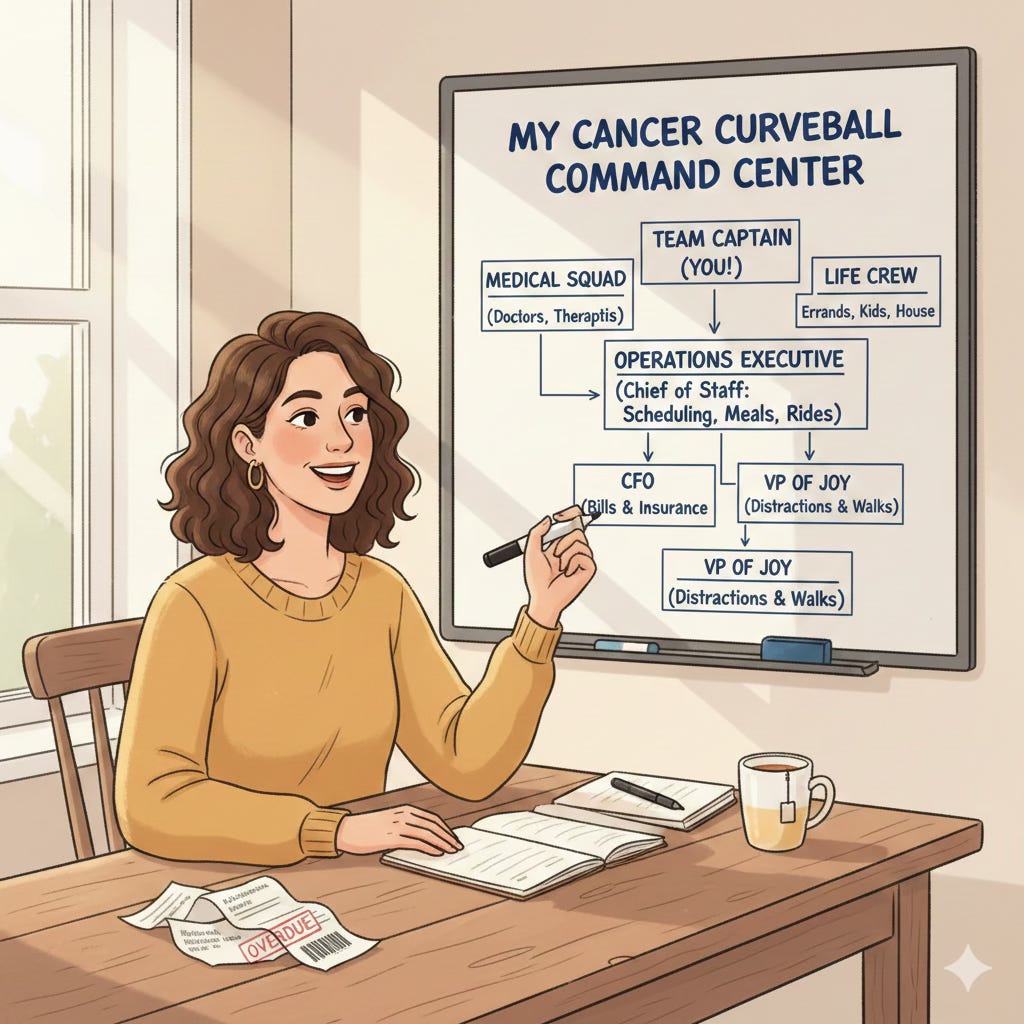
Draft your org chart. Don’t wait for the “catchall cry for help” when you hit the wall. Make a list of people with specific skills: the benefits nerd, the spreadsheet whiz, the calm caller who doesn’t mind being on hold. Then send a simple message:
“I’m starting on a health journey. It would mean so much to know I can ask for your help if I run into trouble with [bills / pre‑approvals / clinical trial questions].”
In the full conversation, we go further: how invisible bias delays women’s diagnoses, why third‑party payers quietly shape “standard of care,” and how to stay mindful without swallowing one ounce of toxic positivity.
Here’s the question I want you to sit with as you listen:
If you treated your health like a high‑stakes project at work—complete with an org chart, escalation paths, and clear roles—how differently would you move through this?
Listen in and start drafting your All‑Star team.
Get the support you deserve by reading Rebecca’s new best selling book - When Women Get Sick
