

Most women don’t walk into a serious diagnosis with a blank slate. They walk in already holding up the sky—jobs, kids, aging parents, partners who need managing, and the invisible labor no one lists on a résumé.
Add a serious diagnosis on top of that, and the default response is predictable: minimize your symptoms, apologize for being “high-maintenance,” and hope the system takes care of you.
Rebecca Bloom’s work exists because that hope is not enough.
A former attorney and long-time benefits expert, she’s watched the system disadvantage women in three specific ways: economics, research, and credibility. In our conversation, she lays out a framework that doesn’t pretend those barriers aren’t real—but shows you how to move through them with strategy instead of shame.
Her framework has three pillars designed to help you regain control and become an active CEO of your health journey.
🎯 Pillar 1: Draft Your Team Like an Org Chart, Not a Cry for Help
Rebecca is blunt about how most of us approach support: “Too often people do this catchall cry for help when they hit the wall.” The vague Facebook post. The group text. The “let me know if you need anything” chorus that leaves you holding the logistics bag.
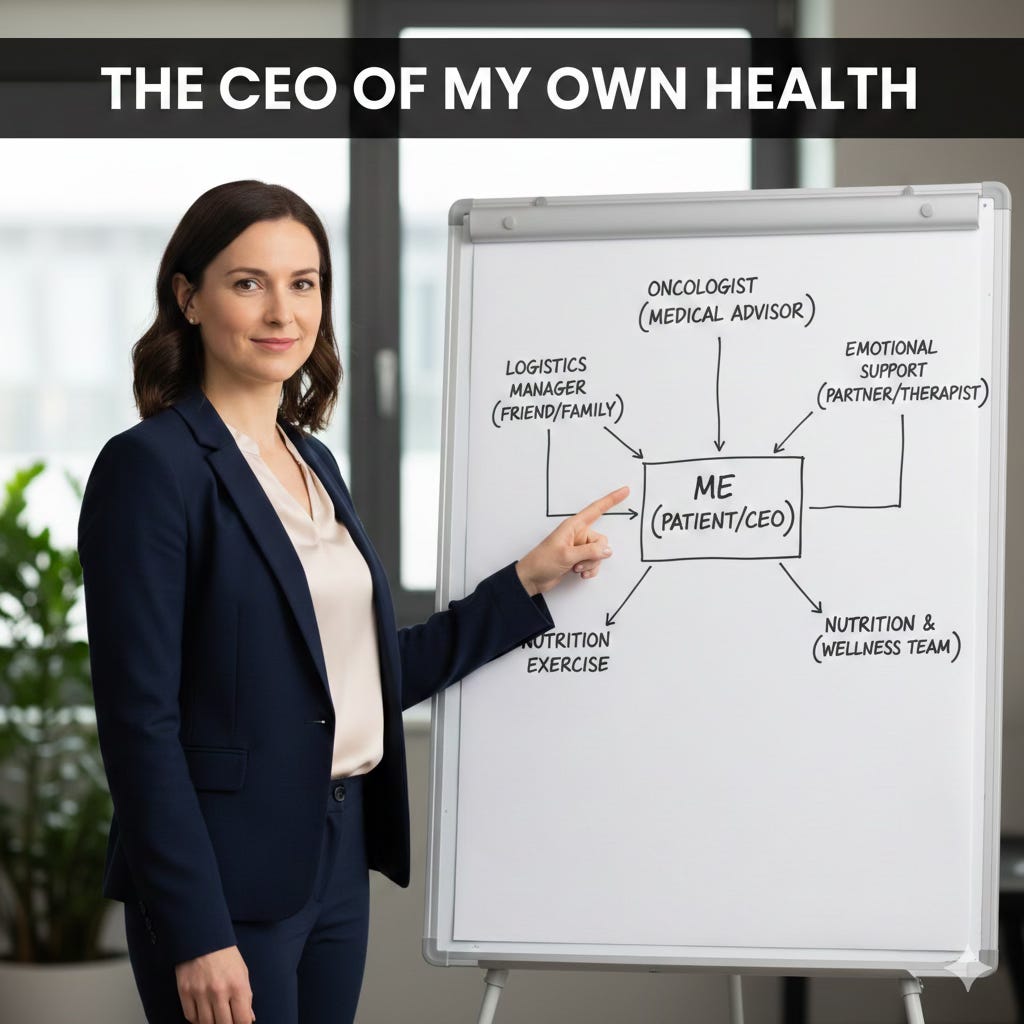
She argues for the opposite: a methodical, proactive approach that looks a lot more like how you’d run a business.
“Nobody hesitates when we’re dealing with business to craft an org chart,” she says. “We do it all the time—who’s the best person for this? Who’s the best person for that slot? But there’s a lot of reticence about asking for help and filling these lanes when you’re on a health journey. There shouldn’t be.”
Your reluctance to ask for help is valid, but your need is greater. This is the moment to replace emotional appeals with a surgical request.
The Strategic Ask
You’re not asking everyone to do everything. You’re naming a specific lane—bills, pre-approvals, benefits questions, rides, food, walks—and inviting one specific person into it before the crisis hits.
Her script is deceptively simple and highly effective:
“Hi, I’m Rebecca. I’m starting on a health journey. It would mean so much to me if I knew that I could ask for your help when I run into trouble with…[fill in the blank].”
When you give people a runway and a defined role, the right ones run toward you. This is an act of empowerment for them and essential self-care for you.
Actionable Questions:
If your health journey were a project at work, what four key roles would be on the org chart? (e.g., Logistics Manager, Financial Liaison, Communications Director, Emotional Anchor)
Who has skills (not just proximity) that match those roles?
What specific one-sentence ask could you send them this week? (See the full conversation about this on the KCAPodcast episode on Building Your Cancer Support Team.)
🛡️ Pillar 2: Assume the First Insurance Answer Is Not the Final One
Rebecca has spent decades inside the maze of employers, insurers, and third-party payers. She’s unambiguous about the biggest myth women carry: “You get a big bill or you get denied pre-approval, you think you can’t win your appeal.”
Her response is a call to action: you often can.
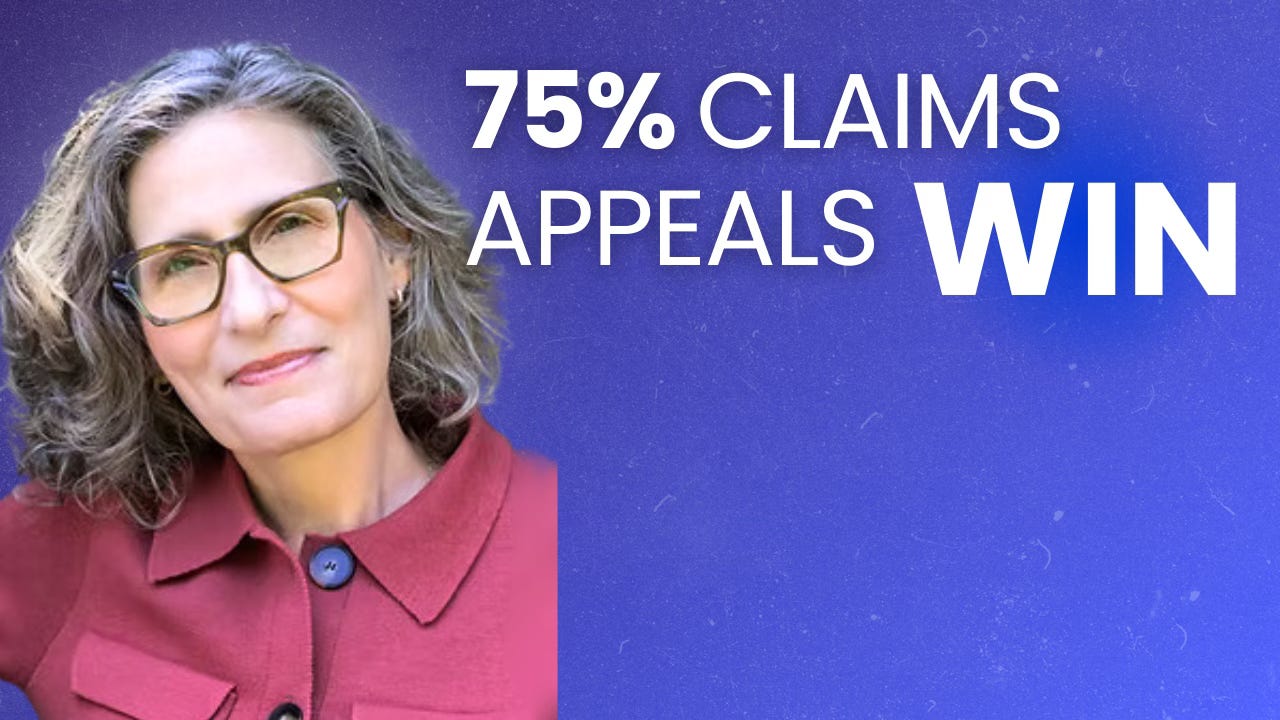
“I think it’s three quarters of appeals are eventually successful,” she notes.
This success is not due to insurer generosity, but because initial denials are often sloppy: wrong codes, wrong plan, missing data. The system quietly banks on a certain percentage of people being too tired or intimidated to push back. Your persistence is not selfish; it’s survival.

Your Two Tactical Levers
Demand a Paper Trail and Direct Contact: Always ask for email addresses—not just names or extension numbers—of the people you talk to, plus their supervisors. This creates a paper trail, elevates accountability, and gives you a direct line to someone who now knows your case. (For more on preparing financially, see this resource on Understanding Health Insurance Appeals).
Master the Escalation Script: When a representative says they have to “research” your issue, you don’t have to sit through the elevator music. Your new script is:
“That’s going to take you about an hour and a half. I can stay on hold, or you can call me back after you’re done researching it. Please call me back.” They call back.
And if someone repeats, “I just don’t have the ability to pull that lever,” your job is to calmly keep climbing. Remember, there is always a lever:
Who does? What’s their role? How do I reach them? (Learn more about your rights and external review options from the U.S. Department of Labor.)
🧘 Pillar 3: Active Mindfulness, Not Blame-Soaked Positivity
The final piece of Rebecca’s framework is about your mind. She is allergic to the idea that you “manifested” your illness or can gratitude-journal your way out of cancer.
“Be mindful about mindfulness,” she warns. “Forget toxic positivity. You didn’t manifest having cancer. That is nonsense. Don’t get stuck in the memes.”
Instead, she advocates for active mindfulness: a mental strategy that supports your physical fight.
“I’m not gonna split hairs about the whys of this. I’m gonna take care of my mental health so that I’m best situated to do everything I can to be in fighting shape.”
This isn’t about ignoring the pain; it’s about deliberately investing in moments of genuine well-being. It might look like walking, meditation, journaling, or any practice that “makes you feel the most like yourself, that keeps you in touch with your strong core.”
Presence, Not Indulgence
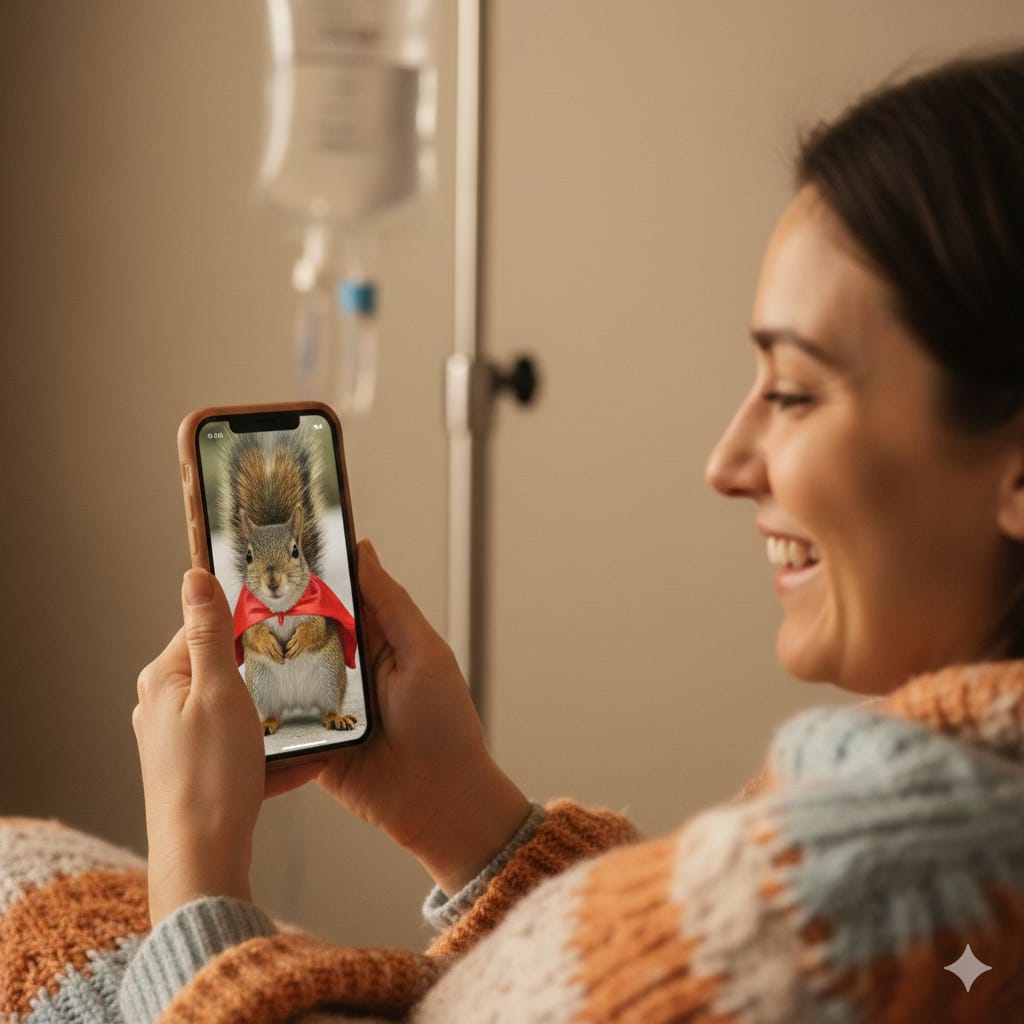
Breaks from “cancer land” are not indulgences; they’re part of treatment. They’re how you stay someone who has cancer, not just “a cancer patient.”
The Dopamine Prescription: Actively create “happiness tripwires.” This could be asking a specific friend to send a funny email daily, or scheduling a 30-minute walk with someone from your community every afternoon. These are essential hits of dopamine, serotonin, and oxytocin that cost nothing and require no supplement. (This strategy aligns with the principles of Mindfulness-Based Stress Reduction (MBSR) in chronic illness.)
Acknowledge Your Emotional Labor: The effort required to manage your own illness is profound. Recognizing and validating this labor is key to mental health. (For more on this topic, consult the American Psychological Association on coping with serious illness.)
✨ Putting It All Together: Claim Your Partnership
Rebecca offered one more quote that ties all three pillars into a single, empowered stance regarding your medical care:
“This should be a partnership with the goal of healing. So we’re talking about 360 respect—doing the research, but respecting the expertise—and on the doctor side, listening.”
Partnership with doctors. Partnership with your team. Partnership with your own mind. None of this erases the systemic realities: women are under-resourced and too often dismissed. But this framework gives you concrete levers to pull anyway.
Draft like a CEO.
Escalate like a lawyer.
Breathe like someone whose mental health is part of the treatment plan.
You’re not asking for special treatment. You’re claiming what you’ve already earned: benefits, respect, and the right to live as fully as you can while you fight.
Listen to the full interview with Rebecca Bloom, who discusses navigating the complexities of the medical system, on the KCAPodcast episode on Rebecca Bloom’s Framework for Fighting Illness.'
Get Rebecca’s book - When Women Get Sick