
The Drug in Your Pharmacy That Oncology Forgot
A conference room in Manchester. A British researcher. And a question American medicine still hasn't answered.

The room was full of cancer prevention researchers — one of the few conferences in the world where that’s the entire point. Dr. Sasha Howell had just finished presenting his findings on anti-progestins: drugs that block the progesterone receptor, the way tamoxifen blocks estrogen. Significant reductions in pre-cancerous breast cells. Measurable changes in the tissue surrounding them. The kind of findings that make a room go quiet.
The full episode with Dr. Abigail Liberty is on Spotify, Apple Podcasts, and YouTube.
An American oncologist stood up. “Why aren’t we doing this everywhere?”
Dr. Howell, politely, said: “Well, you don’t have this drug in America.”
Dr. Abigail Liberty, an OB/GYN at OHSU who had flown to Manchester from Portland, stood up next.
“We actually do,” she said. “It’s called Ella. It’s emergency contraception. I prescribe it every day.” “The oncologists in that room had never heard of it.”
That moment — one specialist knowing something another specialist didn’t, across a gap that has nothing to do with science and everything to do with how we’ve sorted women’s health into acceptable and unacceptable categories — is what this episode is about.
The Gap Between Two Worlds
Ella is ulipristal acetate, 30mg. It’s been in U.S. pharmacies for twenty years. It works by blocking the progesterone receptor — the same mechanism Dr. Howell found protective against pre-cancerous breast changes in his research.
OB/GYNs know it well. Most oncologists have never encountered it, because it lives in a corner of medicine — emergency contraception, abortion-adjacent — that oncology doesn’t visit.
The reason it hasn’t crossed into breast cancer prevention isn’t safety. The data on liver risk pulled from European fibroid markets show the same statistical rate as common antibiotics that nobody has pulled.
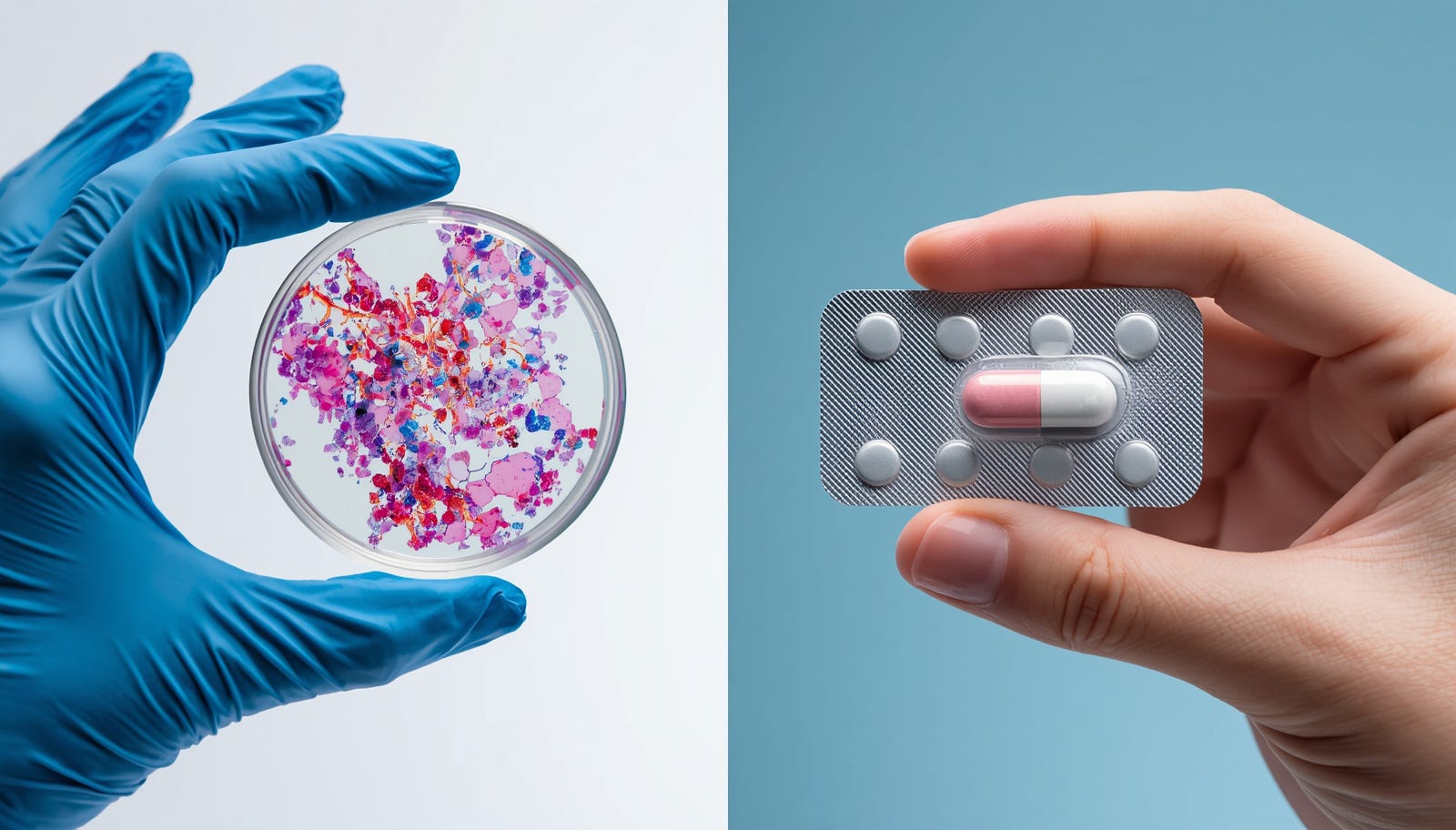
The reason is that we hold medicines associated with women’s reproductive choices to a different standard than medicines associated with conditions we’ve decided are serious.
Fibroids are serious. Breast cancer risk is serious. The drug sitting in the pharmacy is serious.
What You Can Do Today
Ask your doctor — or your daughter’s doctor, or your sister’s doctor — for advanced provision of Ella. A prescription you have on hand before you need it. Studies show it doesn’t change how often people use condoms. It doesn’t change sexual behavior. The only thing it changes is the time between identifying a risk and taking action.
Listen to the Episode
The full episode with Dr. Abigail Liberty is on Spotify, Apple Podcasts, and YouTube. Search Kicking Cancer’s Ass.
Subscribers: This week’s article goes into the biology — why progesterone may matter more than estrogen in breast cancer risk, what the luteal phase has to do with it, and the full three-layer case for why this drug hasn’t reached the women who need it.
The science behind why progesterone — not estrogen — may be the overlooked driver of breast cancer risk. The research. The politics. And why the standard applied to this drug was different from the start. This week for subscribers.