The Cancer System Is Built for People Like Me
I survived cancer because I knew how to fight the system. Most people don't and that's the part that should make you angry.

I was lucky when I got diagnosed with cancer.
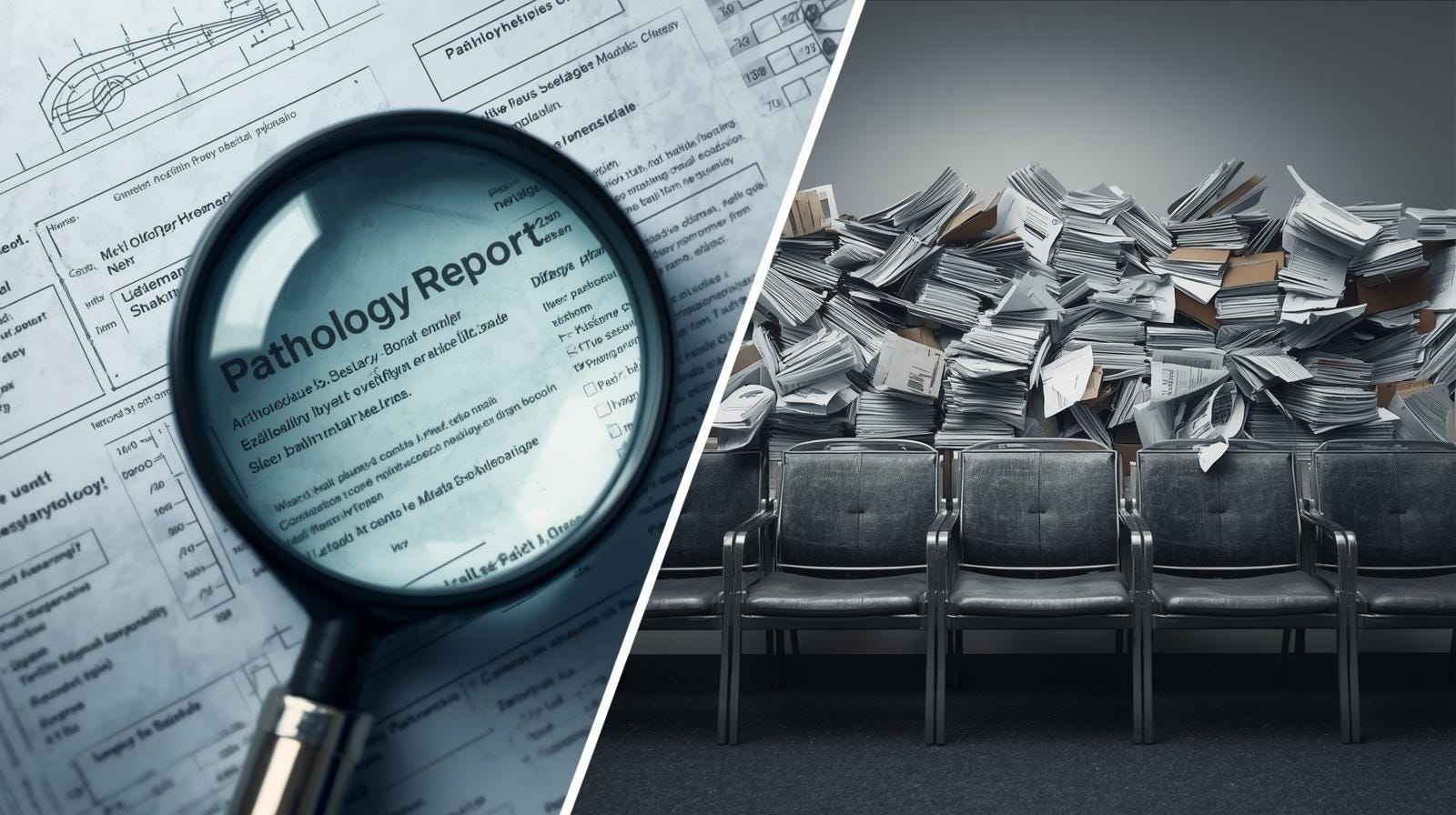
I don’t say that to be humble. I mean it literally. I had watched cancer move through my family for forty years. I knew how to read a pathology report. I knew which questions to ask and which doctors to push back on. I had good insurance, financial stability, and the experience to advocate well.
Most people don’t have any of that. And here’s the part that should make you angry: none of it should be required.
Matthew Zachary was 21 when he got his brain tumor diagnosis. Medulloblastoma is a cancer found predominantly in young children. After surgery and radiation, his oncologist recommended a preventative treatment plan that included two drugs that would have permanently destroyed his hearing and the nerve function in his fingers. His oncologist never mentioned those life-altering side effects. His family found out because his uncle, a geneticist, researched it before treatment started. Matthew was a piano prodigy, a composer, a producer. His hearing and his hands are essential to who he is.

Get the episode: Spotify | Apple | YouTube | Everywhere
That’s not a story about one bad doctor. That’s a story about a system that assumes you either know how to navigate it, or you don’t — and if you don’t, that’s your problem.
Matthew spent the next two decades building what became the largest adolescent and young adult cancer ecosystem in the country. He knows this system inside out. And when I talked to him, he was direct about something most cancer organizations won’t say out loud: the advocacy infrastructure that exists today was never designed to give patients power. It was designed to raise money.
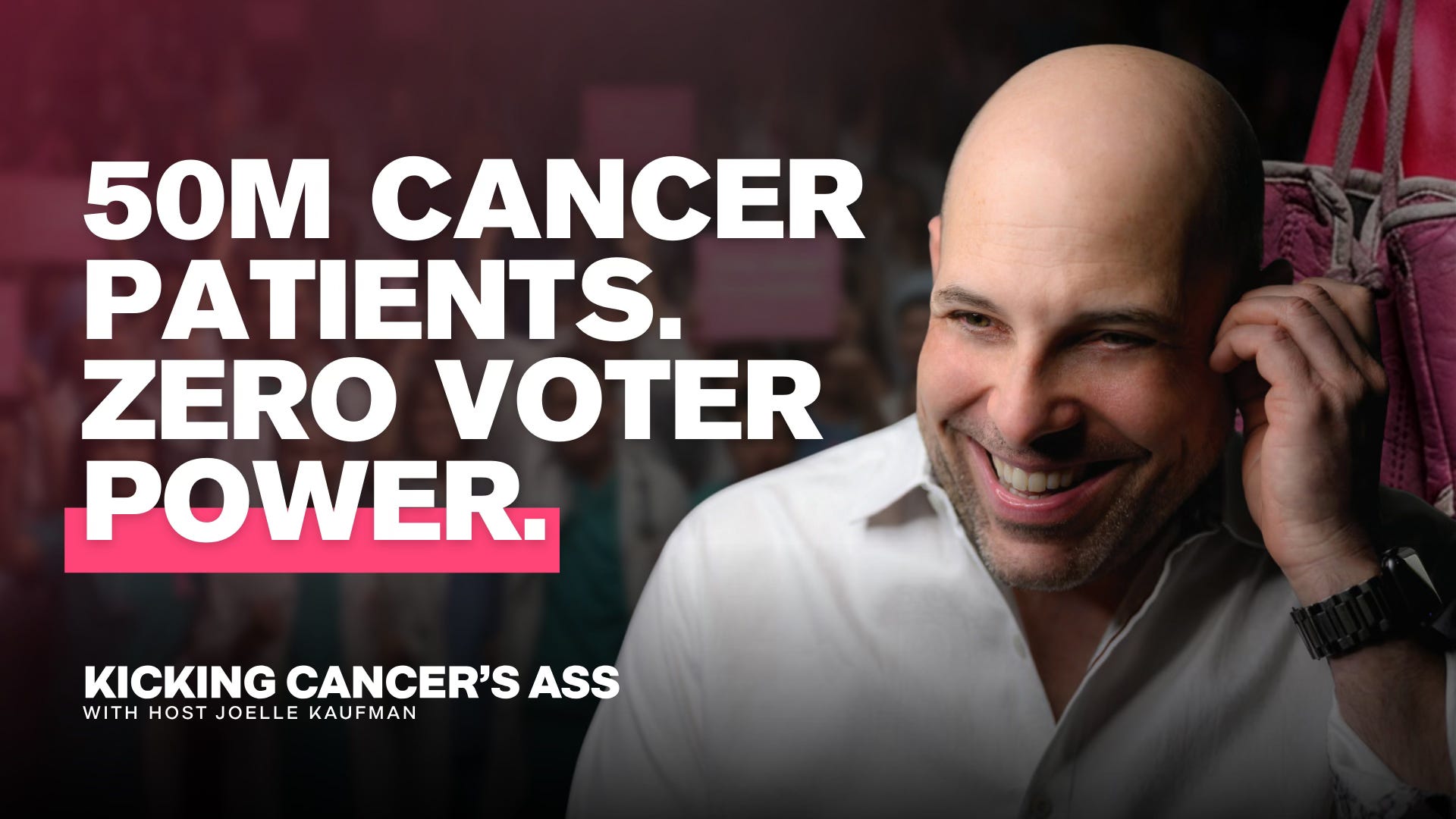
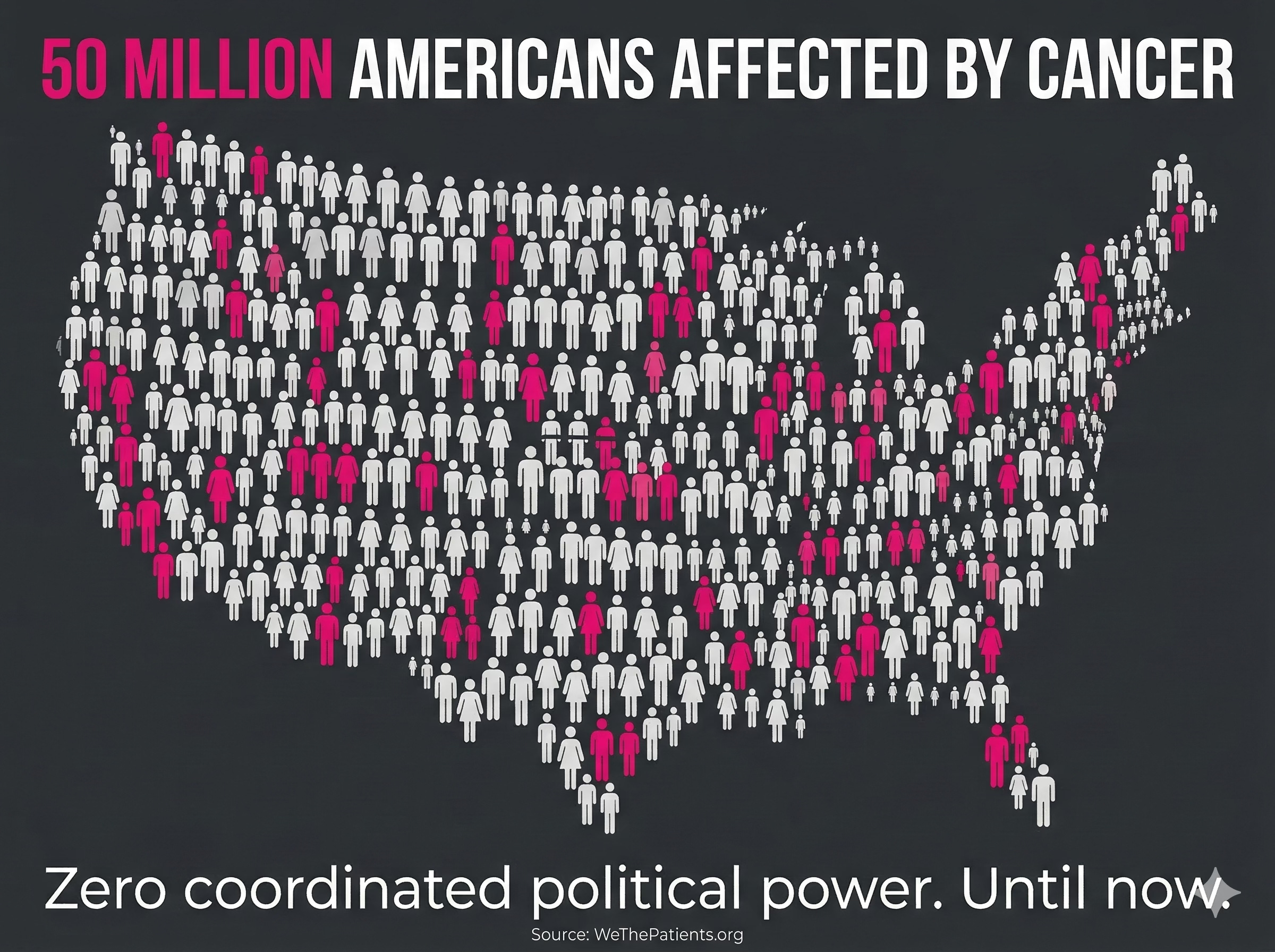
Now he’s trying to build the thing that has never existed in the United States: a real cancer patient voter bloc. WeThePatients.org. Fifty million Americans affected by cancer. Zero coordinated political power. He wants to change that, state by state, starting with three protections every patient should have and almost none of us do.
This conversation will make you want to do something. That’s the point.
Get the episode: Spotify | Apple | YouTube | Everywhere
Listen to the full episode wherever you get your podcasts, or watch on YouTube. And if you’re a subscriber, the full article goes deeper on what the research actually shows about what happens to cancer patients who don’t have someone in their corner — financially, medically, and in terms of survival.