

All women deserve access to scalp cooling
It’s starts with information and ends with coverage

There is a woman Bethany Hornthal told me about at RiseUp. Stage 2B breast cancer. Two kids. She said no to chemo.
Not because the odds were bad. Not because the treatment wouldn’t work. Because she wasn’t willing to lose her hair — and nobody had told her that losing her hair was no longer the only option.
When she finally found out about scalp cooling, she got treatment. She rang the bell. She is alive.
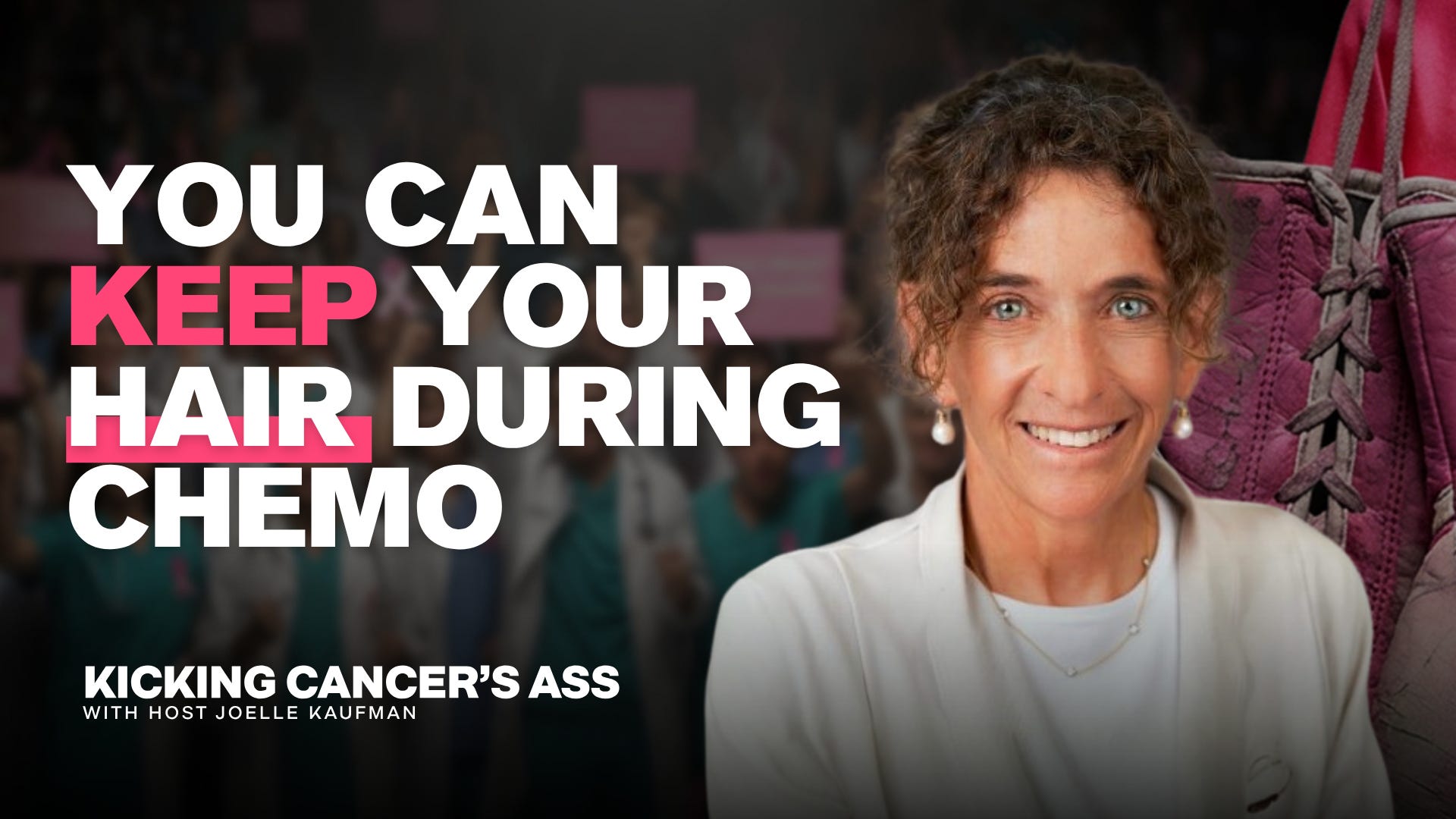
Get the episode: Spotify | Apple | YouTube | Everywhere
Eight percent of female chemo patients say they would refuse treatment rather than lose their hair. The U.S. sees roughly 300,000 new breast cancer diagnoses a year. That’s 24,000 women putting their lives at risk because no one told them about scalp cooling (cold caps). Scalp cooling has been FDA-cleared since 2015.
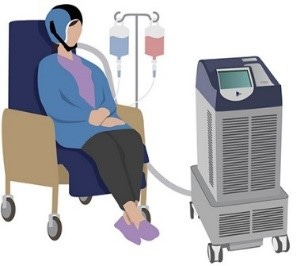
My oncologist told me about it. That is how I found out — my doctor mentioned it. Not from a pamphlet in a waiting room. Not from a friend who’d been through it. My oncologist brought it up, and even recommended which UCSF infusion centers had the equipment to do it. That put me in a category of patients who had a choice.
A 2022 national survey of oncology providers found that only a minority discuss scalp cooling with their patients consistently. The top reason cited for not bringing it up wasn’t lack of awareness of the technology. It was cost. Fifty-eight percent said they were concerned the patient couldn’t afford it — so they didn’t mention it.
They made that call before you sat down.
Bethany Hornthal led the five-year clinical trial that secured FDA clearance for scalp cooling in the United States. Then she watched insurance refuse to cover it, watched patients skip a treatment they didn’t know existed or couldn’t afford, and built Hair to Stay — a national nonprofit that has awarded over 8,000 subsidies to make scalp cooling accessible to patients who can’t pay the $1,500 to $3,000 out-of-pocket cost.
Two states (New York and Louisiana) now mandate private insurance coverage. Eleven more are moving. And Hair to Stay will still need to exist — because state mandates can’t touch Medicare or Medicaid, and the women those programs cover are among the most underserved patients in this country.
This episode covers what scalp cooling is, whether it applies to your treatment protocol, how to afford it, and what to say if your oncologist doesn’t bring it up.

For paid subscribers: the full article goes into the physician communication gap, the specific limits of the new state mandates, and a concrete action list for patients on private insurance, Medicare, and Medicaid — because the path forward is different depending on where you start.
Listen to the episode here:
I want to thank Paxman for making this episode possible. When I was going through chemo at UCSF in 2023, I used their scalp cooling system. It worked. I kept my hair when I thought I’d lose it, which mattered more than I expected it would.
It’s the same technology that’s helped tens of thousands of cancer patients worldwide over the past 25 years.
This episode was recorded at the 2026 UCSF RiseUp for Breast Cancer Prevention & Women’s Health. Because of Paxman’s sponsorship, we can share research and insights from the UCSF RiseUp conference with you. If you’re facing chemo and want to explore scalp cooling, visit coldcap.com